
ACL Tear Treatment and Recovery: Everything You Need to Know
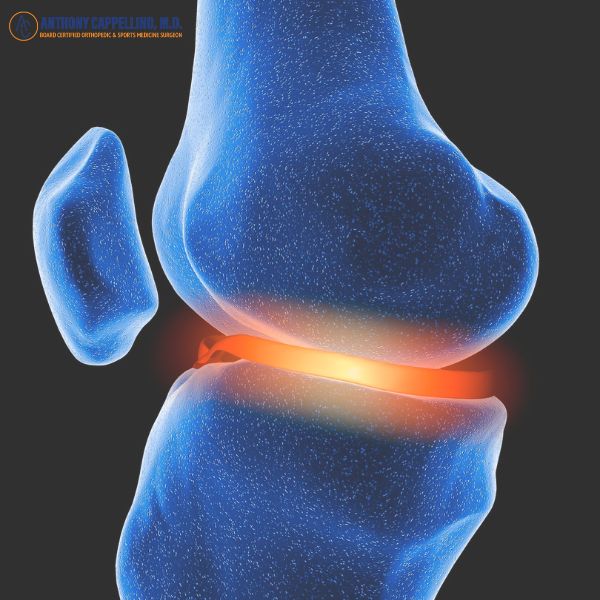
An ACL tear is one of the most common and serious knee injuries, especially among athletes and active individuals. The anterior cruciate ligament (ACL) is a key stabilizer of the knee, and when it is torn, it can lead to instability, pain, and loss of function. At Anthony Cappellino, MD Orthopedics & Sports Medicine, we provide advanced treatment options for ACL injuries, including both nonsurgical treatment and surgical treatment such as ACL reconstruction surgery.
What Causes an ACL Tear?
ACL tears often occur during sports that involve sudden stops, pivots, or changes in direction. They can also result from direct trauma to the knee. Patients may experience a popping sound, swelling, and difficulty bearing weight after the injury.
ACL Treatment Options
The treatment options for an ACL tear depend on the extent of the injury and the patient’s activity level.
-
Nonsurgical treatment: For partial ACL tears or less active patients, treatment may include bracing, physical therapy, and rehabilitation to strengthen surrounding muscles and improve stability.
-
Surgical treatment: For complete tears or active individuals looking to return to sport, ACL reconstruction surgery is often recommended. This involves replacing the torn ligament with a graft, such as a patellar tendon, hamstring, or quadriceps tendon graft.
ACL Surgery and Recovery Time
ACL surgery recovery requires commitment and patience. While recovery time can vary, most patients begin physical therapy within days after surgery to restore range of motion, strength, and stability.
-
Initial recovery period: Swelling control, regaining motion, and walking with crutches or a brace.
-
Rehabilitation phase: Ongoing physical therapy to rebuild strength in the quadriceps and hamstring.
-
Return to sport: Most patients are able to return to sports within 6–12 months following ACL reconstruction, depending on progress and absence of complications.
Recovery and Rehabilitation
Recovery after ACL surgery is a gradual process guided by your surgeon and physical therapist. The goal is to protect the new ACL graft, regain stability, and return to full activity safely. Even with non-surgical treatment, structured rehabilitation is essential to improve knee function and reduce the risk of reinjury.
Complications and Prevention
While ACL surgery is highly successful, possible complications after surgery include stiffness, graft failure, or injury to the meniscus or cartilage. Preventive strategies, such as strength training, flexibility exercises, and proper technique in sports, can help reduce the risk of ACL injuries.
Why Choose Dr. Anthony Cappellino for ACL Treatment?
Dr. Cappellino is a board-certified orthopedic surgeon specializing in sports medicine and ACL injuries. He provides individualized treatment plans for every patient, whether you require non-surgical treatment or advanced ACL reconstruction surgery. With extensive experience in treating sports injuries and helping patients achieve full recovery, Dr. Cappellino ensures the best path forward for restoring knee health and returning to an active lifestyle.


