
Expert Orthopedic Care

Shoulder Pain & Injury Treatment

Shoulder pain from an injury, chronic condition, or years of wear and tear can interfere with nearly every aspect of daily life — from reaching overhead and lifting to sleeping comfortably and staying active.

Dr. Anthony Cappellino, MD, is a board-certified orthopedic and sports medicine surgeon dedicated to diagnosing, treating, and rehabilitating patients with a full range of shoulder conditions. Whether you need conservative care or surgical intervention, the goal is always the same — accurate diagnosis, personalized treatment, and a return to the life you want to live.
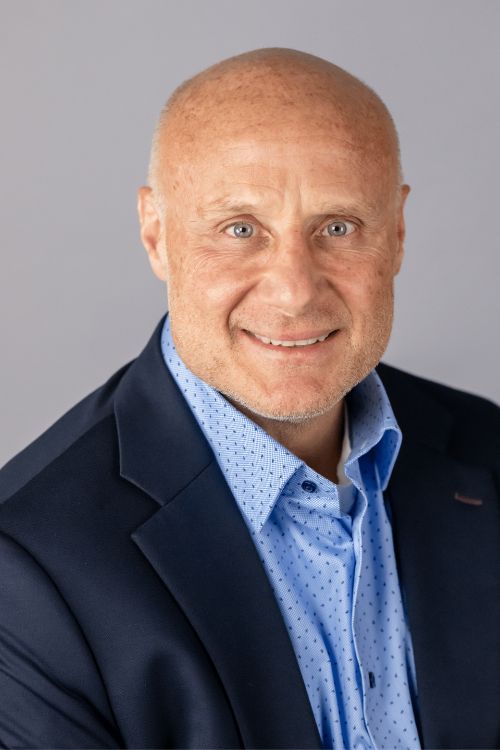
Anthony Cappellino

Expert Diagnosis

Common Shoulder Conditions Dr. Cappellino Treats
Cappellino, service page rewrite (1)

Rotator Cuff Tears

The rotator cuff is a group of four muscles and tendons that stabilize the shoulder and enable a wide range of movement. Tears can occur from acute injury or gradual degeneration and range from partial to full thickness. Advanced repair techniques are used to optimize healing and restore full shoulder function, whether the tear is treated conservatively or surgically.
Cappellino, service page rewrite (1)

Shoulder Impingement

Shoulder impingement occurs when the tendons of the rotator cuff become pinched between the bones of the shoulder, causing pain, weakness, and limited range of motion. Customized treatment plans address the underlying cause of impingement and help patients regain comfortable, full shoulder movement.
Cappellino, service page rewrite (1)

Labral Tears

The labrum is a ring of cartilage that deepens the shoulder socket and helps keep the joint stable. Labral tears are common in athletes and patients who have experienced shoulder dislocations. Arthroscopic surgery is used to repair the labrum, ensuring minimal scarring and a faster recovery compared to traditional open procedures.
Cappellino, service page rewrite (1)

Frozen Shoulder

Also known as adhesive capsulitis, frozen shoulder causes progressive stiffness and pain in the shoulder joint, significantly limiting the range of motion. A range of therapies and interventions is available to manage frozen shoulder, promote increased mobility, and reduce pain throughout the recovery process.
Cappellino, service page rewrite (1)

Shoulder Instability and Dislocation

Shoulder instability occurs when the structures surrounding the joint are too loose or torn, causing the ball of the shoulder to slip partially or fully out of the socket. Surgical stabilization procedures restore joint integrity and significantly reduce the risk of repeat dislocation.
Cappellino, service page rewrite (1)

Additional Shoulder Conditions

Beyond these common diagnoses, treatment extends to a broad range of shoulder conditions, including AC joint injuries, bicep tendon tears, shoulder bursitis, and post-traumatic joint degeneration.

Advanced Care

Comprehensive Shoulder Treatment Options

Dr. Capellino offers a full spectrum of surgical and non-surgical treatments tailored to your specific injury, lifestyle, and recovery goals.

Non-Surgical Treatment

Conservative care is always considered first. Physical therapy, anti-inflammatory medications, corticosteroid injections, and activity modification can provide meaningful relief for many shoulder conditions without the need for surgery.

Arthroscopic Surgery

For conditions requiring surgical intervention, minimally invasive arthroscopy is used whenever possible. Smaller incisions mean less scarring, reduced postoperative pain, and faster recovery compared to traditional open surgery.

Rotator Cuff Repair

Advanced rotator cuff repair techniques are used to restore the integrity of torn tendons and optimize healing. The approach — whether arthroscopic, mini-open, or open — is determined by the size and complexity of the tear and the patient’s individual needs.

Shoulder Stabilization Surgery

In cases of instability, dislocation, or labral tears, surgical procedures are available to restore shoulder stability and function. These procedures are tailored to each patient’s anatomy and activity level to achieve the most durable long-term outcome.

Dr. Cappellino’s Treatment Approach

1

Comprehensive Evaluation

A thorough physical examination, complete medical history review, and advanced imaging, including X-ray and MRI, are used to accurately diagnose your shoulder condition and identify the most effective treatment path.
2

Conservative Treatment First

Physical therapy, anti-inflammatory medications, corticosteroid injections, and other non-surgical treatments are always considered before surgery is recommended. Many shoulder conditions respond well to conservative care alone.
3

Surgical Planning & Options

When surgery is the right path forward, advanced pre-operative planning ensures the procedure is precisely tailored to your anatomy and goals. Minimally invasive approaches are used whenever clinically appropriate.
4

Recovery & Rehabilitation

A personalized post-operative rehabilitation program is provided to maximize strength, mobility, and long-term outcomes following shoulder surgery.

What to Expect

Shoulder Surgery Recovery Timeline

Recovery varies depending on the type of shoulder procedure performed. Below is a general guide for the most common surgical treatments.

Arthroscopic Surgery Recovery
Weeks 1–2 Rest, ice, and elevation to manage swelling and pain. A sling may be used depending on the procedure performed.
Week 2-6Physical therapy begins, focused on restoring range of motion and gentle strengthening.
Weeks 6-12Return to light daily activities and function for most patients.
Months 3-6Full recovery and return to normal activity for most arthroscopic procedures.
Labral Repair Recovery
Weeks 1-4The shoulder is immobilized in a sling. Gentle range of motion exercises begin toward the end of this phase.
Week 4-8Physical therapy focuses on restoring range of motion and beginning gentle strengthening. Most patients discontinue the sling during this period.
Months 2-4Strengthening and stability training progresses. Many patients return to light daily activities and non-contact sports during this phase.
Months 4-6 Sport-specific training begins for athletic patients. Return to contact sport or overhead activity depends on strength and functional assessment.
6 Months and Beyond Full return to sport and high-demand activity for most patients, with continued monitoring to ensure the repair is functioning well.
Rotator Cuff Repair Recovery
Weeks 1–4 The shoulder is immobilized in a sling to protect the repair. Gentle pendulum exercises and passive range of motion work begin under the guidance of a physical therapist.
Weeks 4–8Active range of motion exercises begin as healing progresses. The sling is gradually discontinued, and therapy focuses on restoring comfortable shoulder movement.
Months 2–4 Strengthening exercises begin in earnest as the range of motion continues to improve. Most patients see meaningful progress in pain reduction and function during this phase.
Months 4–6 Most patients return to light daily activities and desk work. Overhead activities and lifting are reintroduced gradually based on healing and strength.
Months 9-12Full recovery and return to sport or physically demanding activity for most patients. Recovery from larger tears may take closer to 12 months.

Learn More

Frequently Asked Questions

How do I know if my shoulder injury needs surgery?

Not all shoulder injuries require surgery. Many conditions, including rotator cuff strains, impingement, and mild labral tears, respond well to physical therapy, injections, and activity modification. Surgery is typically recommended when conservative treatments have failed to provide adequate relief over 3–6 months, when imaging confirms significant structural damage, or when the injury severely limits daily function and quality of life. A comprehensive orthopedic evaluation is the best way to determine the right course of treatment for your specific situation.

Can a rotator cuff tear heal without surgery?

Partial rotator cuff tears can often be managed successfully with conservative treatment, including physical therapy, activity modification, and corticosteroid injections. Full-thickness tears, particularly in active patients, are less likely to heal without surgery and often require repair to restore full strength and function. The best approach depends on the size of the tear, the patient’s symptoms, age, and activity level — all of which are evaluated during a comprehensive orthopedic examination.

What is the difference between arthroscopic and open shoulder surgery?

Arthroscopic surgery uses small incisions and a tiny camera to visualize and treat the inside of the shoulder joint with minimal tissue disruption. Open surgery involves a larger incision and is typically reserved for more complex repairs that cannot be fully addressed arthroscopically. Minimally invasive arthroscopic techniques are used whenever possible due to their advantages in recovery time, postoperative pain, and scarring.

Will I need physical therapy after shoulder surgery?

Yes, physical therapy is an essential component of shoulder surgery recovery. Rehabilitation typically begins within days of surgery with gentle movements and progresses through a range of motion restoration, strengthening, and functional training over several months. Committing fully to the rehabilitation program is one of the most important factors in achieving the best possible long-term outcome.

Where To Get Treatment For Shoulder Pain

Shoulder pain and shoulder injuries are treatable. Whether you are dealing with a recent injury, a chronic condition, or exploring your options for the first time, a comprehensive evaluation is the first step toward an accurate diagnosis and an effective treatment plan.

Patients across Long Island trust Dr. Cappellino for expert shoulder care. The office is conveniently located and accessible from communities throughout Nassau and Suffolk County. New patients are welcome.