
Expert Orthopedic Care
Elbow Pain & Injury Treatment
The elbow joint enables us to flex, bend, reach, and rotate our arms — making it essential to nearly every daily activity and athletic movement. When an elbow injury or chronic condition interferes with that function, even simple tasks can become painful and frustrating.
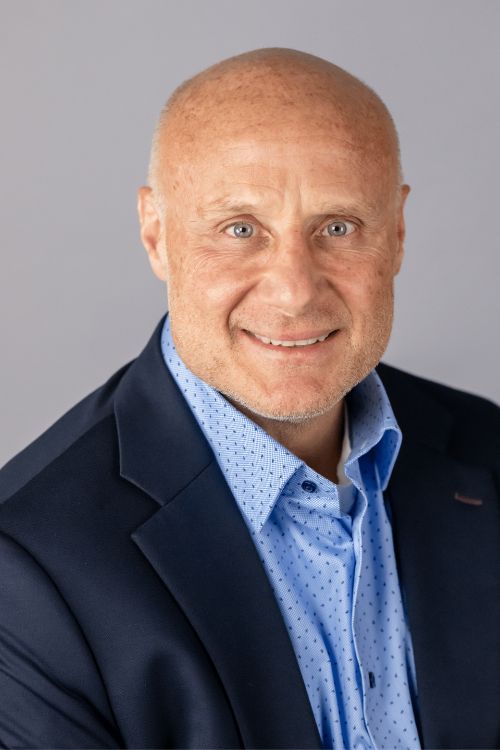
Dr. Anthony Cappellino, MD, is a board-certified orthopedic and sports medicine surgeon dedicated to diagnosing, treating, and rehabilitating patients with a full range of elbow conditions. Whether you need conservative care or surgical intervention, the goal is always the same — accurate diagnosis, personalized treatment, and a return to the life you want to live.
Expert Diagnosis
Common Hip Conditions Dr. Cappellino Treats

Tennis Elbow (Lateral Epicondylitis)
Ulnar Collateral Ligament (UCL) Tears
Elbow Fractures
Golfer's Elbow (Medial Epicondylitis)
Cubital Tunnel Syndrome
Additional Elbow Conditions
Advanced Care
Comprehensive Elbow Treatment Options
Dr. Capellino offers a full spectrum of surgical and non-surgical treatments tailored to your specific injury, lifestyle, and recovery goals.
Non-Surgical Treatment
Tendon Repair
Arthroscopic Surgery
Fracture Management
UCL Reconstruction (Tommy John Surgery)
Dr. Cappellino’s Treatment Approach
Comprehensive Evaluation
Conservative Treatment First
Surgical Planning & Options
Recovery & Rehabilitation
What to Expect
Elbow Surgery Recovery Timeline
Recovery varies depending on the type of elbow procedure performed. Below is a general guide for the most common surgical treatments.
Learn More
Frequently Asked Questions
Tennis elbow causes pain on the outside of the elbow due to overuse of the tendons that attach to the lateral epicondyle, while golfer’s elbow causes pain on the inside of the elbow from strain on the tendons attaching to the medial epicondyle. Despite their names, both conditions affect far more than just athletes — anyone who performs repetitive gripping, lifting, or twisting motions is susceptible. Both respond well to conservative treatment in most cases, though the specific therapy approach differs based on which tendons are affected.
Yes, the majority of tennis elbow cases resolve with conservative treatment. Physical therapy, activity modification, bracing, and corticosteroid injections successfully manage most cases without the need for surgery. Surgical intervention is typically only considered when symptoms persist despite 6–12 months of consistent conservative care. Patients who commit early to an appropriate rehabilitation program tend to see the best outcomes without ever requiring surgery.
Elbow pain that persists for more than a few weeks, worsens with activity, or is accompanied by numbness, tingling, weakness in the hand, or a noticeable loss of range of motion warrants an orthopedic evaluation. These symptoms can indicate conditions such as tennis elbow, UCL damage, cubital tunnel syndrome, or early joint degeneration — all of which respond significantly better to treatment when addressed early. A comprehensive evaluation is the best way to identify the cause and determine the right course of care.
Cubital tunnel syndrome occurs when the ulnar nerve becomes compressed or irritated at the elbow, causing numbness, tingling, and weakness in the ring finger and pinky — symptoms that are often worse at night or when the elbow is bent for extended periods. Mild to moderate cases are often managed with activity modification, bracing, and physical therapy. When conservative treatment fails to provide relief, surgical nerve decompression can alleviate pressure on the nerve and restore normal sensation and hand function.
Where To Get Treatment For Elbow Pain
Elbow pain and elbow injuries are treatable. Whether you are dealing with a recent injury, a chronic condition, or exploring your options for the first time, a comprehensive evaluation is the first step toward an accurate diagnosis and an effective treatment plan.
Patients across Long Island trust Dr. Cappellino for expert elbow care. The office is conveniently located and accessible from communities throughout Nassau and Suffolk County. New patients are welcome.