
Expert Orthopedic Care

Knee Pain & Injury Treatment

Knee pain from an injury, chronic condition, or years of wear and tear can affect every aspect of daily life — from walking and climbing stairs to staying active and doing the things you love.

Dr. Anthony Cappellino, MD, is a board-certified orthopedic and sports medicine surgeon dedicated to diagnosing, treating, and rehabilitating patients with a full range of knee conditions. Whether you need conservative care or surgical intervention, the goal is always the same — accurate diagnosis, personalized treatment, and a return to the life you want to live.
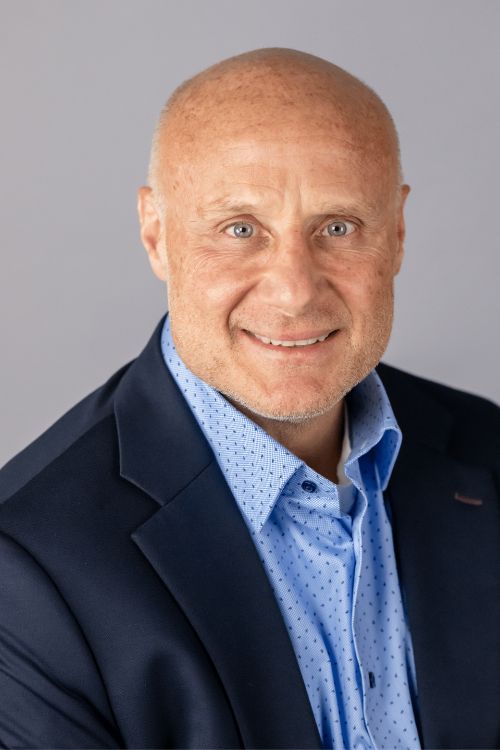
Anthony Cappellino

Expert Diagnosis

Common Knee Conditions Dr. Cappellino Treats

Knee

Meniscus Tears

The meniscus acts as a shock absorber in the knee and is vulnerable to tearing from sudden twisting movements or gradual degeneration. Minimally invasive arthroscopic surgery is used to repair meniscus tears.
Knee

Patellar Tendonitis

Also known as jumper’s knee, patellar tendonitis causes pain and inflammation in the tendon connecting the kneecap to the shinbone. Personalized treatment plans address the underlying cause.
Knee

Osteoarthritis

Knee osteoarthritis develops when the protective cartilage in the joint breaks down over time, causing pain, stiffness, and reduced mobility. A full range of conservative and surgical options are available.
Knee

ACL Tears

ACL tears are one of the most common and significant knee injuries, particularly among athletes. Specialized repair and reconstruction techniques restore stability to the knee and help patients return to sport and activity with confidence.
Knee

Additional Conditions

Beyond these common diagnoses, treatment extends to a broad range of knee injuries and conditions, including collateral ligament injuries, cartilage damage, bursitis, and post-traumatic joint degeneration.

Advanced Care

Comprehensive Knee Treatment Options

Dr. Capellino offers a full spectrum of surgical and non-surgical treatments tailored to your specific injury, lifestyle, and recovery goals.

Arthroscopic Surgery

For conditions requiring surgical intervention, minimally invasive arthroscopy is used whenever possible. Smaller incisions mean less scarring, reduced postoperative pain, and faster recovery compared to traditional open surgery.

Ligament Reconstruction

In cases of significant ligament injury, advanced reconstructive surgery, including ACL reconstruction, restores stability and function to the knee. Treatment is tailored to each patient’s anatomy, activity level, and recovery goals.

Joint Injections

Corticosteroid and other joint injections can provide meaningful relief for patients with osteoarthritis, inflammation, or chronic knee pain, and are often used as part of a broader conservative treatment plan before surgery is considered.

Knee Replacement

For patients with advanced knee arthritis or joint degeneration that has not responded to conservative treatment, knee replacement surgery may be the most effective long-term solution. Both partial and total options are available.

Dr. Cappellino’s Treatment Approach

1

Comprehensive Evaluation

A thorough physical examination, complete medical history review, and advanced imaging, including X-ray and MRI, are used to accurately diagnose your knee condition and identify the most effective treatment path.
2

Conservative Treatment First

Physical therapy, anti-inflammatory medications, corticosteroid injections, and other non-surgical treatments are always considered before surgery is recommended. Many conditions respond well to conservative care alone.
3

Surgical Planning & Options

When surgery is the right path forward, advanced pre-operative planning ensures the procedure is precisely tailored to your anatomy and goals. Minimally invasive approaches are used whenever clinically appropriate.
4

Recovery & Rehabilitation

A personalized post-operative rehabilitation program is provided to maximize strength, mobility, and long-term outcomes following knee surgery.

What to Expect

Knee Surgery Recovery Timeline

Recovery varies depending on the type of knee procedure performed. Below is a general guide for the most common surgical treatments.

Meniscus Repair Recovery
Weeks 1-2Rest, ice, and elevation to manage swelling. Weight bearing may be restricted depending on the extent of the repair.
Week 2-6 Physical therapy focuses on range of motion and gentle strengthening. Most patients progress to full weight bearing during this period.
Weeks 6-12 Return to light activity and daily function for most patients.
Months 3-6Full recovery and return to sport or high-demand activity, depending on the nature of the repair.
ACL Reconstruction Recovery
Weeks 1-2 Focus is on reducing swelling, managing pain, and beginning a gentle range of motion exercises. Crutches are typically used during this phase.
Week 2-6 Physical therapy begins in earnest, focused on restoring range of motion and rebuilding quadriceps strength. Most patients can bear weight with assistance.
Months 2-4Strength and stability training intensifies. Many patients return to light activity and low-impact exercise during this phase.
Months 4-6Sport-specific training begins for athletic patients. Clearance to return to full activity depends on strength testing and functional assessment.
Months 6-12 Full return to sport and high-demand activity for most patients, with continued monitoring to ensure the reconstructed ligament is functioning well.
Knee Replacement Recovery
Day 1-3 Most patients take their first steps with a walker the day after surgery. Discharge typically occurs within 1–3 days.
Week 1-6 Physical therapy focuses on restoring range of motion and rebuilding strength. Most patients walk independently with an assistive device within 2–3 weeks.
Weeks 6-12Many patients return to light daily activities. Swelling and stiffness continue to decrease.
Months 3-6 Most patients experience significant improvement in pain and function. Low-impact activities such as walking and swimming are typically resumed.
Months 6-12 Full recovery is typically achieved.

Learn More

Frequently Asked Questions

How do I know if my knee injury needs surgery?

Not all knee injuries require surgery. Many conditions, including meniscus tears, ligament sprains, and early osteoarthritis, respond well to physical therapy, injections, and activity modification. Surgery is typically recommended when conservative treatments have failed to provide adequate relief, when imaging confirms significant structural damage, or when the injury significantly limits daily function and quality of life. A comprehensive evaluation is the best way to determine the right course of treatment.

What is the difference between arthroscopic surgery and open knee surgery?

Arthroscopic surgery uses small incisions and a tiny camera to visualize and treat the inside of the knee joint. Open surgery involves a larger incision to directly access the joint. Arthroscopic techniques are used whenever possible because they result in less tissue disruption, reduced postoperative pain, smaller scars, and faster recovery. The appropriate approach depends on the nature and complexity of the condition being treated.

Can a torn ACL heal without surgery?

A partially torn ACL may heal with conservative treatment, including physical therapy and bracing in some patients, particularly those with lower activity demands. A complete ACL tear, however, typically does not heal on its own and usually requires surgical reconstruction to restore knee stability — especially for patients who want to return to sport or physically demanding activities. An orthopedic evaluation and MRI are needed to determine the extent of the injury and the best treatment path.

How long does it take to recover from ACL Reconstruction?
Most patients return to daily activities within a few weeks of ACL reconstruction, but full return to sport typically takes 6–12 months. The timeline depends on the type of graft used, the patient’s overall health and fitness, and how consistently they engage with their rehabilitation program. Returning to activity too early, before the graft has fully healed, is one of the most common causes of re-injury.

Where To Get Treatment For Knee Pain

Knee pain and knee injuries are treatable. Whether you are dealing with a recent injury, a chronic condition, or exploring your options for the first time, a comprehensive evaluation is the first step toward an accurate diagnosis and an effective treatment plan.

Patients across Long Island trust Dr. Cappellino for expert knee care. The office is conveniently located and accessible from communities throughout Nassau and Suffolk County. New patients are welcome.