
Understanding Minimally Invasive Orthopedic Surgery
Modern orthopedic care continues to evolve, and one of the most significant advancements in recent decades is the development of minimally invasive orthopedic surgery. Unlike traditional open surgery, which often requires large incisions and extensive tissue disruption, minimally invasive procedures use smaller incisions, advanced surgical tools, and specialized techniques to access and repair the affected area with far less trauma to the body.
For patients seeking an orthopedic doctor in Suffolk County, this approach can mean less pain, smaller incisions, fewer complications, and a faster recovery time, without compromising surgical precision or long-term results.
What Makes a Procedure “Minimally Invasive”?
A minimally invasive orthopedic procedure is defined by its use of small incisions and specialized surgical techniques that minimize damage to surrounding tissues. The goal is to repair or replace joints, ligaments, or soft tissue while reducing the need for large, open exposures.
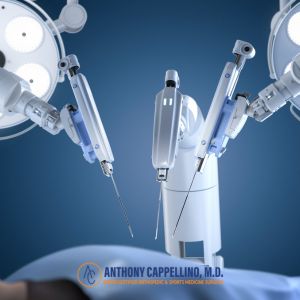
In minimally invasive surgery, the orthopedic surgeon uses narrow instruments, cameras, and imaging guidance to operate through a small incision, often just a few centimeters in width. These minimally invasive techniques help the surgeon visualize the problem area without disrupting nearby muscles, tendons, or ligaments.
This minimally invasive approach enables many orthopedic procedures to be performed on an outpatient basis, allowing patients to return home on the same day as surgery.
Common Minimally Invasive Orthopedic Surgeries
There are several types of minimally invasive orthopedic surgeries that address common joint and soft-tissue injuries:
- Arthroscopy: A small camera (arthroscope) is inserted through a tiny incision to diagnose and treat issues inside the knee joint, shoulder, hip joint, or other areas. Shoulder arthroscopy and knee arthroscopy are among the most common minimally invasive procedures used to repair rotator cuff tears, meniscus tears, and cartilage damage.
- Minimally invasive joint replacement: In hip replacement or knee replacement surgery, the surgeon uses smaller incisions and specialized instruments to replace the entire joint or damaged sections with precision, minimizing soft tissue disruption.
- Ligament or tendon repair: Minimally invasive surgical procedures can also treat ligament injuries, including partial tears that once required open surgery.
These orthopedic surgeries often result in less pain, a shorter hospital stay, and quicker recovery compared to traditional surgery.
Benefits of Minimally Invasive Orthopedic Procedures
Patients who undergo minimally invasive orthopedic procedures typically experience several key benefits, including:
- Smaller incisions and less visible scarring
- Reduced strain on surrounding soft tissue
- Less pain and faster recovery after surgery
- Lower risk of infection and fewer complications
- Shorter hospital stays, and many procedures are outpatient
- Quicker return to normal activities and physical therapy
Because minimally invasive orthopedic surgery uses advanced surgical tools and refined techniques, patients benefit from improved joint stability, less disruption, and greater comfort during recovery.
Minimally Invasive vs. Traditional Surgery
Compared to traditional open surgery, minimally invasive orthopedic surgery provides a gentler and more efficient treatment option. Traditional procedures often require larger incisions to expose the joint, resulting in longer recovery times and increased discomfort.
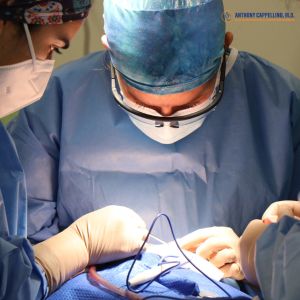
By contrast, minimally invasive surgeries utilize smaller incisions and advanced visualization equipment, enabling the orthopedic surgeon to perform complex repairs with minimal tissue damage. The result is less bleeding, lower risk during surgery, and a faster overall healing process.
For example, a minimally invasive knee replacement can achieve the same level of joint stability and pain relief as a standard replacement, but with less disruption to the tissues surrounding the joint and a faster recovery through early physical therapy.
Are You a Candidate for Minimally Invasive Orthopedic Surgery?
Not all patients or injuries are suited for a minimally invasive procedure, but many are excellent candidates. Ideal candidates typically include those with localized joint or soft tissue issues, good overall health, and realistic expectations for recovery.
An experienced orthopedic doctor in Suffolk County, like Dr. Anthony Cappellino, can determine whether a minimally invasive approach is right for you. He evaluates the type of injury, the joint involved, and your activity level to design a customized treatment plan that balances safety, recovery, and long-term function.
The Next Step Toward Recovery
If you’ve been told you may need orthopedic surgery, it’s worth exploring whether a minimally invasive orthopedic procedure could offer the same results with less pain and downtime.
Schedule an appointment with Dr. Anthony Cappellino, an experienced orthopedic doctor in Suffolk County, to learn about minimally invasive orthopedic surgery options tailored to your condition. From arthroscopy to minimally invasive joint replacement, Dr. Cappellino and his team provide comprehensive orthopedic care designed for comfort, precision, and lasting recovery.
With the right surgical approach and expert guidance, you can return to the activities you love faster, safer, and stronger than before.