
The Importance of Knee Bracing and Taping in Sports Medicine
In sports medicine, knee bracing and taping are essential tools for protecting athletes from sprains, ligament injuries, and chronic knee pain. The knee joint bears a significant load during activity, especially in sports that require jumping, cutting, or sudden changes in direction. As a result, anterior cruciate ligament (ACL) and medial collateral ligament (MCL) injuries are among the most common sports injuries seen by orthopedic specialists.
Using knee braces and athletic tape can help reduce the strain on the anterior cruciate ligament, stabilize the joint, and improve functional performance during play. These supports are widely used in sports such as basketball, soccer, and football, where injury prevention and stability are crucial for maintaining long-term joint health.
The Role of Knee Braces in Injury Prevention
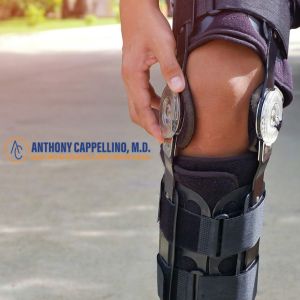
Knee braces are designed to provide external support, limit excessive motion, and reduce stress on vulnerable ligaments. Different types of braces are used depending on the athlete’s needs and level of activity:
- Functional knee braces: Used after ligament injuries or knee surgery to restore joint stability during rehabilitation and return to sport.
- Prophylactic knee braces: Worn to prevent injuries during contact sports and to reduce the risk of sprains and strains to the medial and anterior knee.
- Patellofemoral knee braces provide targeted support to the kneecap, helping to relieve anterior knee pain.
The effect of functional knee braces on strain to the anterior cruciate ligament has been significant in improving knee stability and reducing the recurrence of injuries. By supporting the knee joint, braces enable a controlled range of motion that helps protect healing tissues without compromising athletic performance.
Taping Techniques and the Effect of Athletic Tape
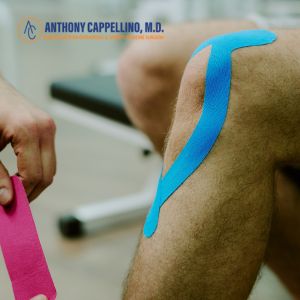
Knee taping is another valuable strategy for preventing injuries and promoting rehabilitation. Using athletic tape, sports tape, or kinesio tape, athletes can support the knee joint while maintaining flexibility and strength. The effect of athletic taping can vary depending on the taping technique used and the level of support required.
Common benefits of knee taping include:
- Reducing strain on the anterior cruciate ligament and surrounding structures
- Enhancing proprioception (awareness of knee movement)
- Improving joint stability and alignment
- Decreasing swelling and pain during knee rehabilitation
While taping versus bracing remains a topic of discussion in sports medicine, both methods have proven effective when applied correctly. Some athletes prefer taping for its lightweight feel and flexibility, while others favor knee braces for their durability and consistent support.
Comparing Bracing vs. Taping in Sports Injury Prevention
Both braces and tape are designed to reduce stress on the ligaments, especially the anterior cruciate ligament and medial collateral ligament. The choice between bracing and taping often depends on the athlete’s history of injury, the type of sport, and the level of participation.
- Bracing provides lasting, reusable support and can be adjusted for comfort. A functional knee brace may also be used after surgery or during the long-term recovery period.
- Taping, including kinesio tape and adhesive tape, allows for more customized placement and can target specific areas of strain or instability.
In basketball players with chronic inversion ankle sprains, for example, the combination of ankle taping and bracing has been shown to improve functional performance, and similar principles apply to the knee. The effect of functional knee braces on strain and joint stability helps reduce the risk of injury across many sports.
Supporting Rehabilitation and Performance
In orthopedic care, braces are designed to reduce ligament load and promote healing after injury. They are also used as part of knee rehabilitation programs to safely restore strength and motion.
Kinesio taping techniques, when used by a trained sports medicine professional, can complement physical therapy by improving circulation, reducing swelling, and allowing controlled mobility. These supports provide reassurance and structure to athletes returning to high-demand activities after ligament or soft-tissue injuries.
The Role of a Sports Medicine Specialist in West Babylon
Determining the best knee brace, taping technique, or combination approach requires professional evaluation. As a sports medicine specialist in West Babylon, Dr. Anthony Cappellino provides individualized assessments for athletes and active individuals to ensure proper joint support and injury prevention strategies.
His orthopedic expertise includes:
- Evaluating ligament injuries and knee instability
- Recommending functional knee braces or prophylactic knee braces for specific sports
- Teaching proper knee taping techniques to enhance performance and prevent strain
- Developing rehabilitation programs to restore full strength and range of motion
Stay Strong, Stable, and Injury-Free
Whether you’re an athlete recovering from a knee sprain or seeking to prevent future sports injuries, bracing and taping are practical and proven tools for maintaining knee health.
If you’re experiencing knee pain, recovering from a ligament injury, or interested in learning how functional knee braces and athletic tape can enhance your performance, schedule a consultation with Dr. Anthony Cappellino, an experienced sports medicine specialist in West Babylon.