Expert Orthopedic Care

Joint Reconstruction

Chronic joint pain from arthritis, injury, or degenerative disease can make even the simplest daily activities feel impossible. When conservative treatments are no longer enough, joint reconstruction offers a path back to function, mobility, and quality of life.

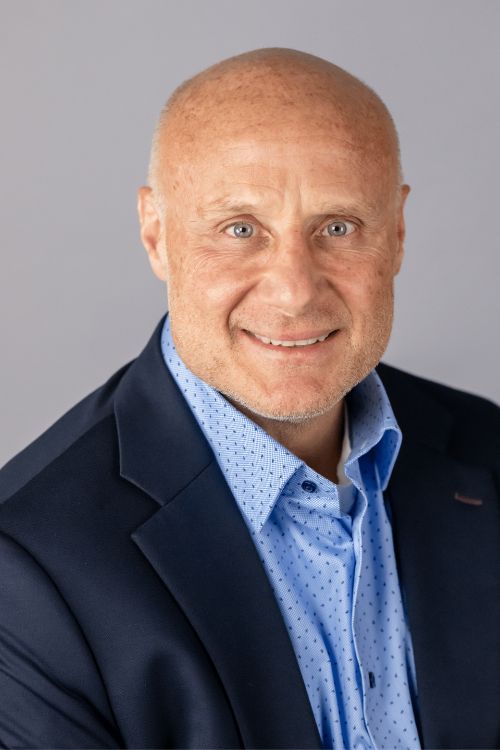
Dr. Anthony Cappellino, MD, is a board-certified orthopedic and sports medicine surgeon specializing in advanced joint reconstruction techniques for the hip, knee, and shoulder. Every treatment plan is built around the individual patient — their anatomy, their condition, and their goals.
Anthony Cappellino

Expert Diagnosis

Conditions Dr. Cappellino Treats with Joint Reconstruction

Cappellino, service page rewrite (5)

Hip Joint

Advanced hip conditions, including arthritis, joint degeneration, and structural abnormalities, are treated through a range of procedures, from minimally invasive hip surgery and hip resurfacing to total hip replacement for severe joint damage.
Knee

Knee Joint

Knee conditions ranging from localized arthritis to complete joint deterioration are addressed through knee arthroscopy, partial knee replacement, and total knee replacement, depending on the extent of damage and the patient’s individual needs.
Cappellino, service page rewrite (2)

Shoulder Joint

Shoulder arthritis, rotator cuff damage, and joint degeneration are treated through arthroscopic shoulder surgery, rotator cuff repair, and shoulder replacement when joint damage is advanced.

Advanced Care

Comprehensive Joint Reconstruction Procedures

Dr. Capellino offers a full spectrum of procedures tailored to your specific injury, lifestyle, and recovery goals.

Total Joint Replacement

Total hip, knee, and shoulder replacement procedures remove and replace the damaged joint with advanced implants designed to restore pain-free movement and long-term function. Total joint replacement is typically recommended for patients with severe arthritis or significant joint degeneration that has not responded to conservative treatment.

Partial Joint Replacement

For patients with arthritis or damage limited to one compartment of the joint, partial replacement preserves the healthy surrounding tissue while replacing only the affected area. Partial knee replacement is the most common application, offering a less invasive alternative to total replacement for appropriate candidates.

Hip Resurfacing

Hip resurfacing preserves more of the natural hip joint by capping and reshaping the surface of the ball rather than removing it entirely. This procedure is typically considered for younger, more active patients with good bone quality who want to maintain as much natural bone as possible.

Joint Arthroscopy

Minimally invasive arthroscopic procedures allow for the exploration and treatment of joint problems through small incisions, reducing tissue disruption, postoperative pain, and recovery time compared to traditional open surgery.

Dr. Cappellino’s Treatment Approach

1

Comprehensive Evaluation

Every joint reconstruction journey begins with a thorough physical examination, detailed medical history review, and advanced imaging — including X-ray and MRI — to accurately assess joint condition and identify the most effective treatment path.
2

Conservative Treatment First

Physical therapy, anti-inflammatory medications, corticosteroid injections, and other non-surgical treatments are always considered before surgery is recommended. Many joint conditions respond well to conservative care alone.
3

Surgical Planning & Options

When surgery is the right path forward, advanced pre-operative planning ensures the procedure is precisely tailored to the patient’s anatomy and goals. Minimally invasive approaches are used whenever clinically appropriate.
4

Recovery & Rehabilitation

A personalized post-operative rehabilitation program is developed in collaboration with physical therapists to maximize strength, mobility, and long-term outcomes following joint reconstruction.

What to Expect

Joint Reconstruction Recovery Timeline

Recovery varies depending on the joint treated and the type of procedure performed. Below is a general guide for the most common joint reconstruction procedures.

Joint Arthroscopy
Days 1-7 Rest and swelling management. Most patients bear weight with minimal assistance within days, depending on the procedure performed.
Week 2-6Physical therapy focuses on restoring range of motion and gentle strengthening.
Weeks 6-12Return to light daily activity and function for most patients.
Months 3-6 Full recovery and return to normal activity depending on the nature of the procedure.
Partial Knee Replacement
Days 1-3 Most patients begin walking with assistance the day after surgery and are discharged within 1–2 days, often sooner than total replacement patients.
Week 1-4Physical therapy begins immediately, focused on restoring range of motion and strength. Recovery tends to progress faster than total replacement.
Weeks 6-12Most patients return to light daily activities and report meaningful improvement in pain and function.
Months 3-4 Full recovery for most partial knee replacement patients.
Total Hip or Knee Replacement
Days 1-3 Most patients take their first steps with a walker the day after surgery. Discharge typically occurs within 1–3 days.
Weeks 1-6 Physical therapy focuses on restoring range of motion and rebuilding strength. Most patients walk independently with an assistive device within 2–3 weeks.
Weeks 6-12Many patients return to light daily activities. Swelling and stiffness continue to decrease steadily.
Months 3-6 Most patients experience significant improvement in pain and function. Low-impact activities are typically resumed during this phase.
Months 6-12 Full recovery is typically achieved. Modern joint implants are designed to last 15–25 years or longer with proper care.

Learn More

Frequently Asked Questions

What is the difference between joint reconstruction and joint replacement?

Joint reconstruction is a broad term that encompasses all surgical procedures aimed at restoring the function and stability of a damaged joint, including both joint-preserving procedures like arthroscopy and resurfacing, and joint replacement procedures where the damaged surfaces are replaced with implants. Joint replacement is one type of joint reconstruction, typically reserved for the most advanced cases of joint damage or arthritis.

How do I know if I need joint reconstruction surgery?

Joint reconstruction is typically considered when persistent joint pain significantly limits daily activities, when stiffness prevents normal movement, and when non-surgical treatments, including physical therapy, medications, and injections, have failed to provide adequate relief. The appropriate procedure depends on which joint is affected, the severity of the damage, and the patient’s age and activity goals. A comprehensive orthopedic evaluation is the best starting point.

What is the difference between partial and total joint replacement?

In a total joint replacement, the entire joint surface is removed and replaced with an implant. In a partial replacement, only the damaged compartment of the joint is resurfaced, preserving the healthy surrounding bone and tissue. Partial replacement is an option for patients whose damage is limited to one area of the joint and tends to involve a faster recovery and a more natural-feeling joint. The appropriate procedure depends on the extent and location of the damage, the patient’s age, and their activity goals — all of which are evaluated during a comprehensive orthopedic examination.

Is joint reconstruction covered by insurance?

Most major insurance plans, including Medicare, cover joint reconstruction procedures when they are deemed medically necessary. Coverage varies by plan and individual circumstances.

Where To Get Joint Reconstruction Treatment 

Chronic joint pain is treatable. Whether you are dealing with a recent injury, a chronic condition, or exploring your options for the first time, a comprehensive evaluation is the first step toward an accurate diagnosis and an effective treatment plan.

Patients across Long Island trust Dr. Cappellino for expert joint reconstruction care. The office is conveniently located and accessible from communities throughout Nassau and Suffolk County. New patients are welcome.