
Expert Orthopedic Care
Shoulder Pain & Injury Treatment
Shoulder pain from an injury, chronic condition, or years of wear and tear can interfere with nearly every aspect of daily life — from reaching overhead and lifting to sleeping comfortably and staying active.
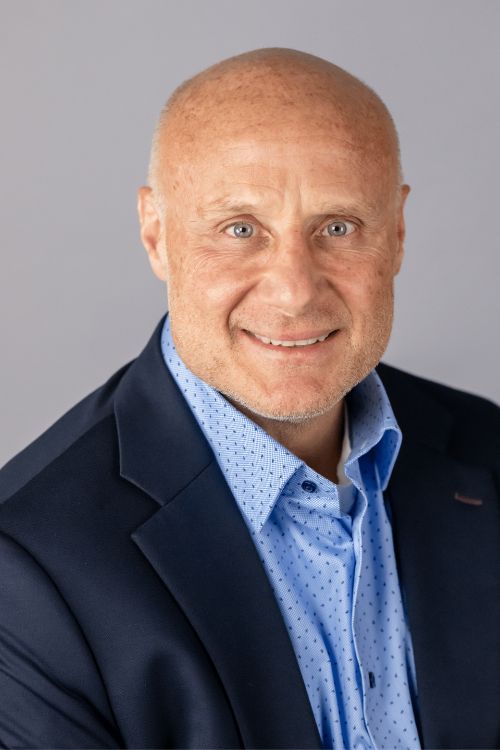
Dr. Anthony Cappellino, MD, is a board-certified orthopedic and sports medicine surgeon dedicated to diagnosing, treating, and rehabilitating patients with a full range of shoulder conditions. Whether you need conservative care or surgical intervention, the goal is always the same — accurate diagnosis, personalized treatment, and a return to the life you want to live.
Expert Diagnosis
Common Shoulder Conditions Dr. Cappellino Treats
Rotator Cuff Tears
Shoulder Impingement
Labral Tears
Frozen Shoulder
Shoulder Instability and Dislocation
Additional Shoulder Conditions
Advanced Care
Comprehensive Shoulder Treatment Options
Dr. Capellino offers a full spectrum of surgical and non-surgical treatments tailored to your specific injury, lifestyle, and recovery goals.
Non-Surgical Treatment
Arthroscopic Surgery
Rotator Cuff Repair
Shoulder Stabilization Surgery
Dr. Cappellino’s Treatment Approach
Comprehensive Evaluation
Conservative Treatment First
Surgical Planning & Options
Recovery & Rehabilitation
What to Expect
Shoulder Surgery Recovery Timeline
Recovery varies depending on the type of shoulder procedure performed. Below is a general guide for the most common surgical treatments.
Learn More
Frequently Asked Questions
Not all shoulder injuries require surgery. Many conditions, including rotator cuff strains, impingement, and mild labral tears, respond well to physical therapy, injections, and activity modification. Surgery is typically recommended when conservative treatments have failed to provide adequate relief over 3–6 months, when imaging confirms significant structural damage, or when the injury severely limits daily function and quality of life. A comprehensive orthopedic evaluation is the best way to determine the right course of treatment for your specific situation.
Partial rotator cuff tears can often be managed successfully with conservative treatment, including physical therapy, activity modification, and corticosteroid injections. Full-thickness tears, particularly in active patients, are less likely to heal without surgery and often require repair to restore full strength and function. The best approach depends on the size of the tear, the patient’s symptoms, age, and activity level — all of which are evaluated during a comprehensive orthopedic examination.
Arthroscopic surgery uses small incisions and a tiny camera to visualize and treat the inside of the shoulder joint with minimal tissue disruption. Open surgery involves a larger incision and is typically reserved for more complex repairs that cannot be fully addressed arthroscopically. Minimally invasive arthroscopic techniques are used whenever possible due to their advantages in recovery time, postoperative pain, and scarring.
Yes, physical therapy is an essential component of shoulder surgery recovery. Rehabilitation typically begins within days of surgery with gentle movements and progresses through a range of motion restoration, strengthening, and functional training over several months. Committing fully to the rehabilitation program is one of the most important factors in achieving the best possible long-term outcome.
Where To Get Treatment For Shoulder Pain
Shoulder pain and shoulder injuries are treatable. Whether you are dealing with a recent injury, a chronic condition, or exploring your options for the first time, a comprehensive evaluation is the first step toward an accurate diagnosis and an effective treatment plan.
Patients across Long Island trust Dr. Cappellino for expert shoulder care. The office is conveniently located and accessible from communities throughout Nassau and Suffolk County. New patients are welcome.